
Be Ready
Michiana.
A little preparation can make a meaningful difference. For ourselves, for the people we love, and for the neighbors who share this place with us.
Practical guidance for preparing, staying safe, finding help, and recovering together in northern Indiana and southwestern Michigan.
Preparedness begins wherever you are.
Not everyone has the same resources, responsibilities, or needs. You don't have to do everything today. Choose one small step, then build from there.
Start with what matters most.
A plan, a few essential supplies, and a reliable way to receive information are good first steps. You can improve your preparations gradually.
- Turn on emergency alerts and learn where to find official local information.
- Choose two ways to contact or meet loved ones if separated.
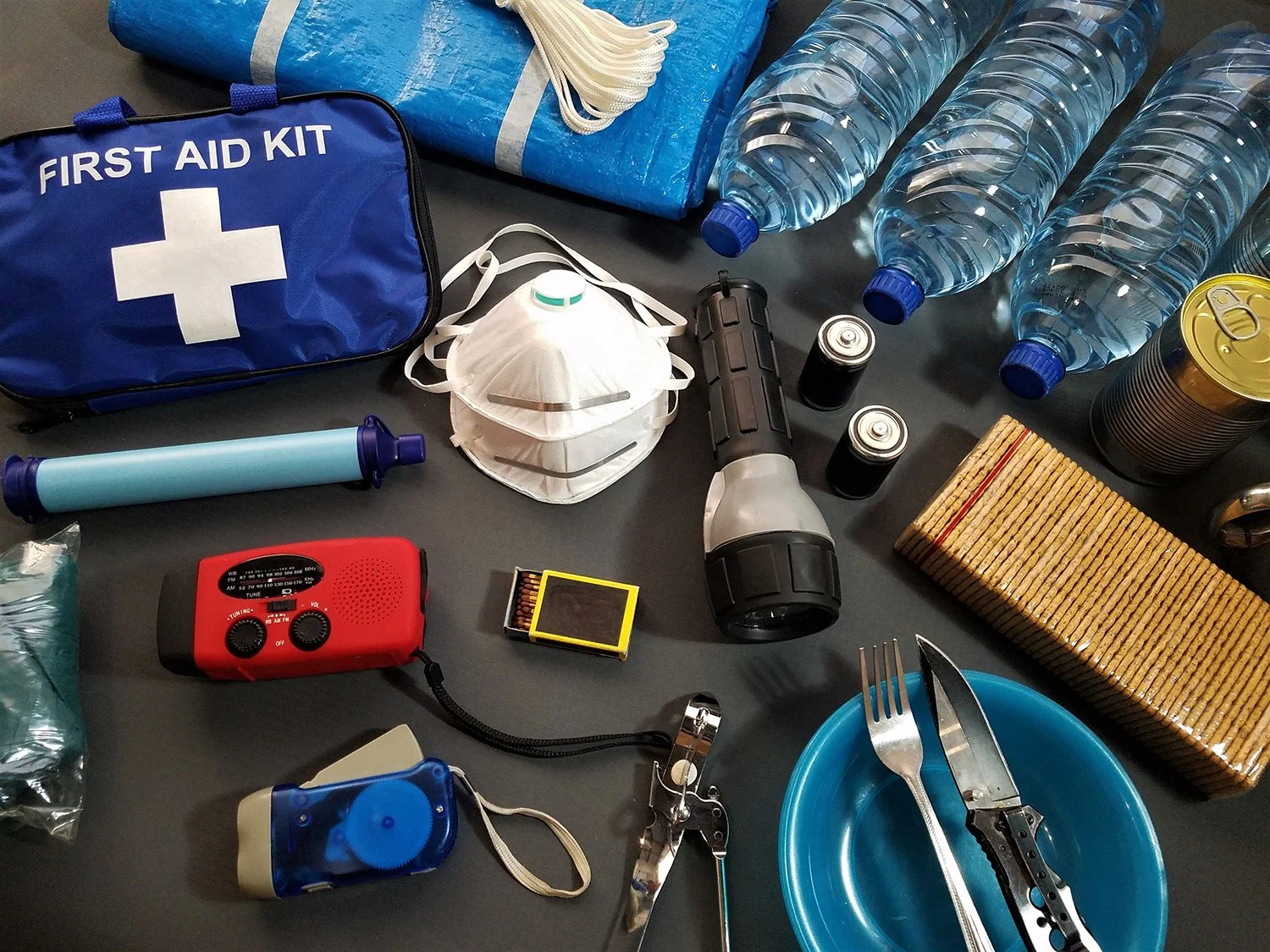
- Gather water, shelf-stable food, a flashlight, necessary medications, and a phone charger.
- Write down essential contacts and keep a paper copy.
- Check smoke and carbon monoxide alarms and discuss how to leave safely.
Make a household plan
Communication, meeting places, evacuation, and sheltering guidance.
Ready.gov planning guide ↗Build a kit
Adapt essential supplies to your budget, household size, and needs.
Emergency kit guidance ↗Indiana printable preparedness guides
Free official Indiana PDFs covering household plans, communication, emergency kits, and accessible preparedness.
Indiana planning forms and downloads ↗Michigan printable guides
Family plans and supply checklists, including multilingual materials.
MI Ready planning resources ↗Understand emergency alerts
Learn how official warnings reach phones, radio, and television.
Alerts and warnings ↗Know the weather. Know your options.
In Michiana, severe thunderstorms, tornadoes, flooding, lake-effect snow, ice, extreme temperatures, and power outages can interrupt ordinary life. Different hazards call for different responses.
Tornadoes and severe thunderstorms
Identify a sturdy interior shelter on the lowest available level, away from windows. Review the difference between watches and warnings and follow official instructions.
Flooding and flash floods
Know whether your home or commute is in a flood-prone area. Never drive through floodwater; seek higher ground when instructed.
Winter storms, snow and ice
Plan for difficult travel, heating interruptions, and the needs of people who may be unable to leave home. Keep warm clothing and vehicle supplies available.
Extreme heat and cold
Know where to seek safe temperatures, watch for heat- and cold-related illness, and check on neighbors who may need assistance.
Air quality, smoke and hazardous materials
Monitor official health and emergency instructions. Depending on the event, authorities may direct people to remain indoors, evacuate, or take other precautions.
National Weather Service
Forecasts, warnings, and weather safety information for northern Indiana and nearby Michigan.
NWS Northern Indiana ↗Michigan hazard guidance
Statewide information about weather, flooding, fires, outages, and other emergencies.
MI Ready: Be informed ↗Make home a safer place to begin.
Simple household habits can help prevent emergencies—and make an unexpected interruption easier to manage.
Fire safety and escape plans
Check alarms, identify two ways out when possible, practice an escape plan, and choose an outdoor meeting place.
Power outages and generator safety
Keep flashlights accessible. Never run generators, grills, or fuel-burning camping equipment indoors or in garages. Generators should be outside, at least 20 feet from doors, windows, and vents.
Food, drinking water and sanitation
Store safe drinking water, plan for food that does not require cooking, and learn when refrigerated food must be discarded after a prolonged outage.
Transportation and vehicle readiness
Keep a vehicle emergency kit if you drive. If you do not drive, arrange a backup ride and learn local transit and evacuation options before an emergency.
Infectious disease and public health emergencies
Follow current public health guidance, maintain needed supplies, and discuss individual medical needs with a healthcare professional.
Every household has its own needs.
Good emergency planning recognizes that mobility, communication, health, memory, transportation, and caregiving responsibilities shape what is possible.
Consider who will check in, how essential equipment will operate without electricity, where medications and documents are kept, and what assistance might be needed to leave or shelter safely.
Older adults
Plan for medicines, support networks, transportation, and ongoing care.
Ready.gov older adult resources ↗People with disabilities
Accessible alerts, mobility equipment, communication, and evacuation planning.
Disability preparedness ↗Caregivers and support networks
Practical guidance for coordinating care and contingency plans.
Family preparedness guide ↗Medical equipment and power
Discuss backup power and care continuity with providers and equipment suppliers.
Planning for essential needs ↗Help everyone feel included in the plan.
Children benefit from calm, age-appropriate conversations and simple practice. Animals need supplies and safe destinations, too.
Talk with children about emergencies
Prepare without creating unnecessary fear; practice what to do and whom to contact.
Ready Kids ↗School and family communication
Keep school contacts current and understand reunification procedures.
Family guide ↗Pets and service animals
Prepare food, medication, identification, carriers, and a backup care arrangement.
Pet preparedness ↗Students and campus communities
Learn campus alerts, shelter locations, and emergency contact procedures.
Campus preparedness guide ↗Protect what may be difficult to replace.
Being prepared also means knowing where to find important information and how to avoid scams during stressful moments.
Financial and document readiness
Insurance information, identification, account contacts, and secure copies.
Financial preparedness ↗Fraud and disaster scams
Verify charities, contractors, and requests for personal information.
FTC consumer advice ↗Digital security
Backups, strong authentication, and protecting important accounts.
CISA Secure Our World ↗Insurance and flood risk
Review coverage before damage occurs; standard policies may exclude flooding.
National Flood Insurance Program ↗When you need help, know where to turn.
These organizations provide guidance, referrals, or disaster services. Availability and eligibility vary by event and location. Always check directly for current information.
Indiana emergency management
State preparedness, recovery resources, and county emergency management contacts.
Indiana DHS ↗Michigan MI Ready
Preparedness, local alert enrollment, and hazard guidance.
MI Ready ↗Community services: 211
Help finding food, housing, utilities, and other local assistance.
Find help through 211 ↗Open emergency shelters
Check the Red Cross map for currently listed shelters and disaster service sites.
Red Cross shelter finder ↗Disaster recovery assistance
Federal assistance may be available for qualifying declared disasters.
DisasterAssistance.gov ↗Indiana survivor resources
State information on shelters, aid, and recovery after disasters.
Indiana survivor resources ↗Berrien County alerts
Official county alert center for southwestern Michigan residents.
Berrien County alert center ↗National Weather Service
Official forecasts and alerts for the northern Indiana forecast area.
Local NWS office ↗Emotional and crisis support
Free 24/7 crisis support by call or text at 988.
988 Lifeline ↗Red Cross recovery guidance
Practical steps after an emergency, including emotional and financial recovery.
Recovery services ↗Preparedness is something we can share.
Checking on a neighbor, learning first aid, or sharing reliable information can strengthen the whole community. No one should have to prepare alone.
Learn first aid and CPR
Explore training opportunities and practical emergency skills.
Red Cross training ↗Community emergency response
Learn about volunteer training and preparedness programs.
CERT program ↗Volunteer after a disaster
Coordinate with established organizations rather than arriving unrequested.
Red Cross volunteering ↗Make information accessible
Share preparedness materials in useful languages and formats.
Multilingual family guide ↗Before an emergency, ask someone nearby: “Would you like us to check on each other if the power goes out?” Small, mutually agreed-upon arrangements can matter.
Good information, even when you are offline.
Download or print trusted preparedness materials for your household, workplace, classroom, or neighbors. Indiana and Michigan both offer free official guidance. Keep a paper copy of important plans in a safe, accessible place.
Indiana · Get Prepared
State guidance, downloadable planning forms, and emergency checklists.
Browse Indiana planning forms ↗Household Preparedness (PDF) ↗
Michigan · MI Ready
Official Michigan family preparedness resources and printable planning materials.
Family preparedness guide ↗These government materials can be useful starting points for family conversations, neighborhood preparedness activities, and community workshops. Check the issuing agency for the latest version before printing large quantities.
Make a plan you can hold.
Print these simple worksheets and complete them offline. Keep copies somewhere safe and accessible. Avoid posting personal information publicly.
My emergency essentials checklist
Adapt to your needs and budget. Start with what you already have.
My household emergency plan
Fill out by hand. Share copies only with trusted people.