
My children are eventually going to ask why John Travolta in drag makes their mother cry.
It’s not the sort of question you expect to prepare for as a parent, but I’m fairly certain it’s coming. At some point, they’re going to wander into the kitchen while I’m making dinner, hear “You Can’t Stop the Beat” blasting, and see me wiping away tears. Onscreen, John Travolta will be joyfully dancing across the Corny Collins Show soundstage in red sequins as Edna Turnblad. There will be singing and choreography and unabashed happiness. And I’ll be crying.
The explanation begins years before they were born.
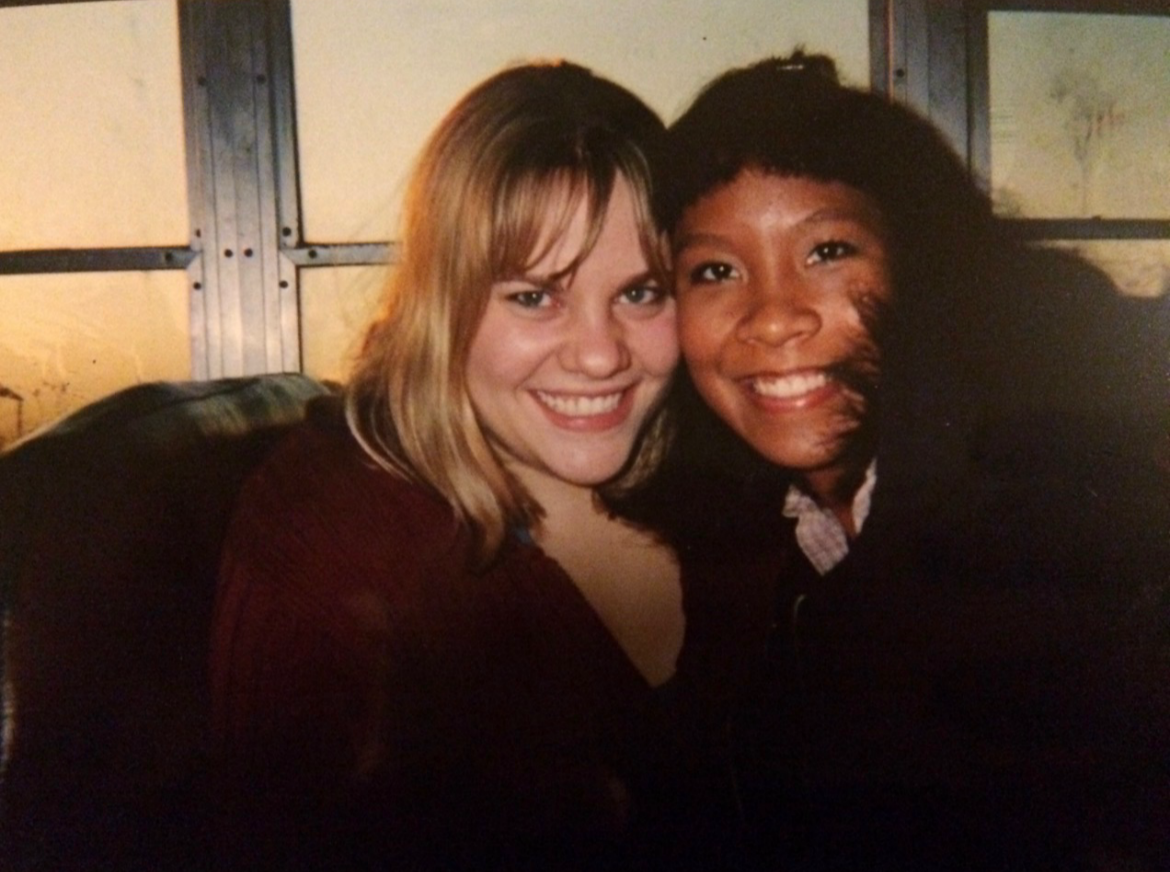
My best friend, May, and I have always loved musicals. Not like “we enjoy Wicked.” We love memorizing lyrics, quoting dialogue at inappropriate moments, and finding reasons to rewatch old favorites. In middle school we learned the entire dance to the hand jive from the Grease high school dance scene and performed it at no less than a dozen teenage dances and parties. (Nobody asked us to do this. It was a service we provided unbidden.) Somewhere along the way, John Travolta musicals became their own category we’d return to over and over again.
Now May is dying.
And I’ve been playing “You Can’t Stop the Beat” on repeat. Most of the time, it makes me happy. It is infectious. But somewhere between singing and dancing along, I start crying.
It would probably make more sense if this grief showed up during a funeral scene or a piano ballad. Instead, mine arrives in eight exuberant minutes of brass, choreography, and John Travolta in red pumps.
When I watch Hairspray, I’m not just mourning. I’m remembering a friendship— all the years when these songs meant laughter, inside jokes, and the certainty that May would always be on the other end of a text or call. These places that once guaranteed happiness have become places where my heart breaks open. I hope it’s not that they’re ruined, but that they just still contain the person I’m losing.
Crying to “You Can’t Stop the Beat” feels so impossible to explain. It’s a song about movement, about life refusing to stand still. It races forward with complete confidence that tomorrow is coming. But I watch it and listen to it knowing that, for May, and for our friendship, tomorrow has become painfully finite.
One day my daughter will probably ask why I cry during the happiest part of the movie. I’ll remind her all about her Auntie May May and how much they loved each other. And I’ll tell her how much we loved musicals, and why Grease and Hairspray became part of the soundtrack of our friendship. That somewhere in that movie is the story of a friendship that lasted so long it made even the silliest songs feel sacred. I’ll tell her that sometimes the things that make us happiest become the places where we miss people the most. For me, that place may be 1960s Baltimore with John Travolta.
Hairspray
by Amanda Miller Kelley